 Bedding
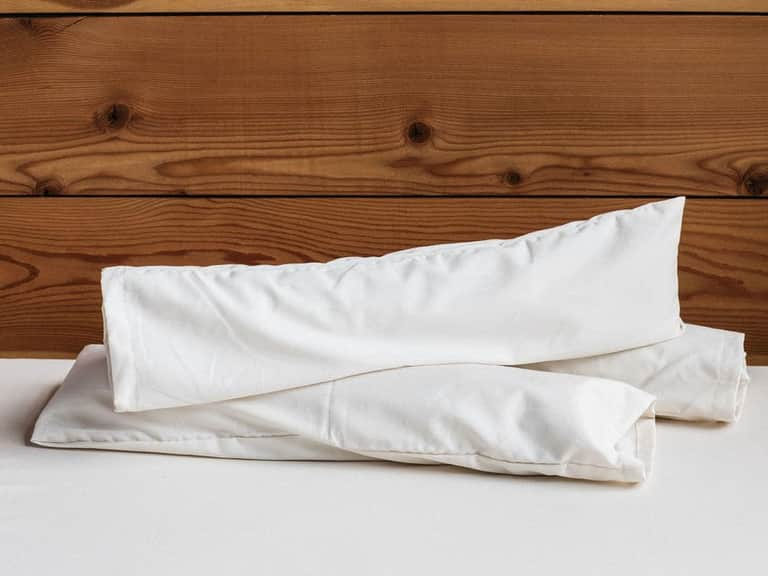
Certified Organic Neck Roll
Sleep softly with certified organic wool neck support in a breathable sateen shell—tightens neck comfort, low-impact materials, easy care.
Wool is a versatile natural fiber prized for its hygroscopic properties, allowing it to regulate temperature and manage humidity in bedding and home textiles. In organic contexts, wool supports sustainable farming practices and high-quality product performance, contributing to comfort across seasons. Key attributes include softness, resilience, and inherent breathability that helps maintain a balanced sleep environment with reduced moisture buildup.
In the realm of bedding materials, wool enhances insulation without excessive weight, making it suitable for year-round use. Its natural flame resistance and durability support long-term comfort, while its fibers trap air to create a cozy yet breathable layer. When combined with organic processing, wool products often align with health-conscious standards and eco-friendly goals.
Within the category of Certified Organic Neck Roll products, wool offers ergonomic support and gentle compression to the neck area, promoting alignment and relaxation. Features typically include a soft outer cover, hypoallergenic properties, and a composition that favors toxin-free materials. Functional benefits emphasize improved comfort during rest and reduced stiffness after sleep.
For respiratory and skin considerations, wool can be a gentle option due to its natural moisture management and low propensity for harboring dust mites when properly processed. In organic bedding ecosystems, wool neck rolls may pair with organic mattresses, pillows, and sheets to form a cohesive, healthy sleep setup. Proper care preserves loft and fiber integrity over time.
Understanding the role of wool in organic textiles involves recognizing its impact on comfort, longevity, and environmental footprint. Key product features to note include fiber length, crimp, natural lanolin content, and certified organic processing standards. Selecting wool-based bedding components—such as neck rolls and compatible pillows, sheets, and latex layers—supports durable, breathable sleep surfaces.
Bedding