A Practical Guide to Urban Organic Gardening in NYC: From Balcony Beds to Community Gardens

Explore actionable strategies for growing organically in New York City, whether you’re in a small apartment or a shared community space. This guide covers balcony gardening basics, soil health, pest management, and local resources to get started.

Learning from the Land: Why NYC Demands a Local Approach

Urban gardening in New York City sits at a curious crossroads where concrete skyscrapers meet resilient green life. The city’s microclimates—from sun-drenched fire escapes to shaded backyards—demand techniques that optimize space, light, and air movement. The urban gardener learns to read light curves off building facades, to exploit vertical spaces with trellises and hanging planters, and to select crops that thrive in containers rather than in expansive plots.

In a city built on a mosaic of neighborhoods, soil is rarely a given. Even when you start with purchased potting mixes, the story doesn’t end there. Soil health becomes a dialogue between living organisms, organic matter, and the city’s unique environmental pressures—pollution, heat islands, and variable rainfall. The goal is to cultivate a living medium that processes nutrients, retains moisture, and resists compaction, all while remaining safe for edible crops and ornamental plantings alike.

Seasonal Synergy: Timing, Space, and Microclimates

New York’s climate is a real charmer and a trickster: hot summers, cold winters, and transitional shoulder seasons that demand flexible planning. A balcony garden can be productive year-round with seasonally appropriate crops and season-extending tactics. Start with cool-season greens in early spring, switch to warm-season vegetables with the arrival of late spring, and layer in autumn crops as temperatures cool. In winter, many balcony gardeners pivot to herbs, greens, and evergreen containers that offer color and texture even in the harsher months.

Key to seasonality is a reliable microclimate map: note which spots receive the most sun (east, south, or west exposures), identify wind corridors, and select crops with similar light, water, and temperature needs. The balcony becomes a living calendar, translating the city’s pace into harvestable yields and edible abundance.

Urban Solutions: Balcony Beds, Stacks, and Vertical Growth

Balconies, rooftops, and window grids invite a repertoire of space-saving strategies. Begin with shallow, portable containers for herbs and greens, which require less structural stabilization and can be rearranged with ease. Elevate the design with vertical planters—living walls, pocket planters, and trellised grapes or cucumbers—that transform a flat façade into a living tapestry. For those with deeper balconies, consider shallow raised beds that don’t block railings or sightlines but provide a more resilient root zone for vegetables like radishes, lettuce, and bush beans.

Water management is critical in urban settings. A simple drip irrigation line or a soaker hose can dramatically reduce water waste and ensure consistent moisture. Mulching the surface with organic compost or coconut coir helps preserve soil moisture, suppress weeds, and gradually improves soil structure. In container gardens, drainage is non-negotiable; choose pots with ample drainage holes, or use self-watering planters to prevent waterlogging in heavy NYC rainstorms.

Soil Health: Building a Living Medium in Small Spaces

Soil is life, even in a planter. The cornerstone of organic balcony gardening is building a living soil that feeds plants and hosts beneficial microbes. Start with high-quality organic potting mix and incorporate compost or well-decomposed composted manure to introduce a diverse microbial community. Regularly refresh with compost tea or worm castings to boost microbial activity and nutrient availability. Avoid synthetic fertilizers and pesticides; instead, rely on natural amendments like kelp meal, rock phosphate, and green manures to nourish the soil over time.

Rotate crops to prevent disease buildup and nutrient depletion. In pots, plan for crop rotation by grouping herbs, leafy greens, and fruiting vegetables in rotating cycles. Even in tight spaces, a well-considered rotation schedule can sustain soil vitality across seasons, yielding healthier plants and more dependable harvests.

Pest Management Without Pesticides

Organic pest management in NYC means recognizing and working with the city’s microfauna. Build a diverse planting palette to deter pests, introduce beneficial insects through flowering border plants, and implement physical barriers such as row covers on young transplants. Regular scouting is essential; catch infestations early and respond with organic interferences like neem oil or insecticidal soap when appropriate, always adhering to product labels and organic standards.

Companion planting can also reduce pest pressure. For example, marigolds and nasturtiums can distract aphids and nematodes from vulnerable greens, while herbs such as oregano and thyme can attract predators that help balance the garden ecosystem. The goal is a resilient, self-regulating space that minimizes chemical inputs while maximizing healthful harvests.

Local Resources: Connecting with NYC Networks

New York City hosts a vibrant ecosystem of community gardens, urban farms, and educational programs that empower residents to grow organically. Community gardens are more than plots; they are classrooms, social hubs, and spaces where neighbors exchange seeds, cuttings, and knowledge. Look for nearby community garden associations, local food co-ops, and farmers markets that support organic practices and provide opportunities for volunteering, workshops, and seed swaps.

For those seeking structured learning, city-run workshops at libraries, parks, and agriculture centers offer hands-on training—from soil testing and composting to season extension and irrigation design. Local CSAs (Community Supported Agriculture) connect city dwellers with seasonal produce, often pairing members with education and volunteer days that deepen understanding of organic farming within the urban frame.

Three Key Figures Who Shaped Urban Green Thinking

From different eras, these figures illuminate paths toward resilient, community-centered urban ecology. Their ideas echo through today’s balcony gardens and neighborhood plots, providing a human dimension to the science of soil and the craft of cultivation.

Elizabeth Blackwell (18th–19th centuries, historical context)

Though celebrated as a pioneering physician, Blackwell’s spirit of practical experimentation resonates with today’s urban growers: observe, learn, and adapt. In the garden, her teaching translates to careful observation of plant health, methodical experimentation with soil amendments, and a steadfast commitment to public well-being through safe, organic practices.

Wangari Maathai (1940–2011, modern era)

Maathai’s Green Belt Movement offers a blueprint for community-led greening: planting for resilience, empowering local participants, and building ecosystems that support both people and planet. In NYC, her legacy manifests as community gardens that foster social ties while restoring urban soils, water cycles, and microhabitats in densely built environments.

Margaret Bourke-White (1904–1971, documentary insight)

As a photographer who captured landscapes undergoing change, Bourke-White’s work reminds urban gardeners to document their progress—soil tests, harvest logs, and seasonal shifts—creating a visual archive of transformation. Her lens invites us to see the city as a living archive where nature and culture intermingle in blueprints, brick, and bloom.

In addition to these historical figures, contemporary voices anchor practice in the present. Local organizers, researchers, and farmers in NYC contribute real-world knowledge—verifying soil amendments, sharing composting successes, and guiding new gardeners through the complexities of urban microclimates. The dialogue across time emphasizes that urban organic gardening is both a science and a social act: it requires soil, sun, and stewardship in equal measure.

A Material Note: Everyday Luxury for the Home Garden

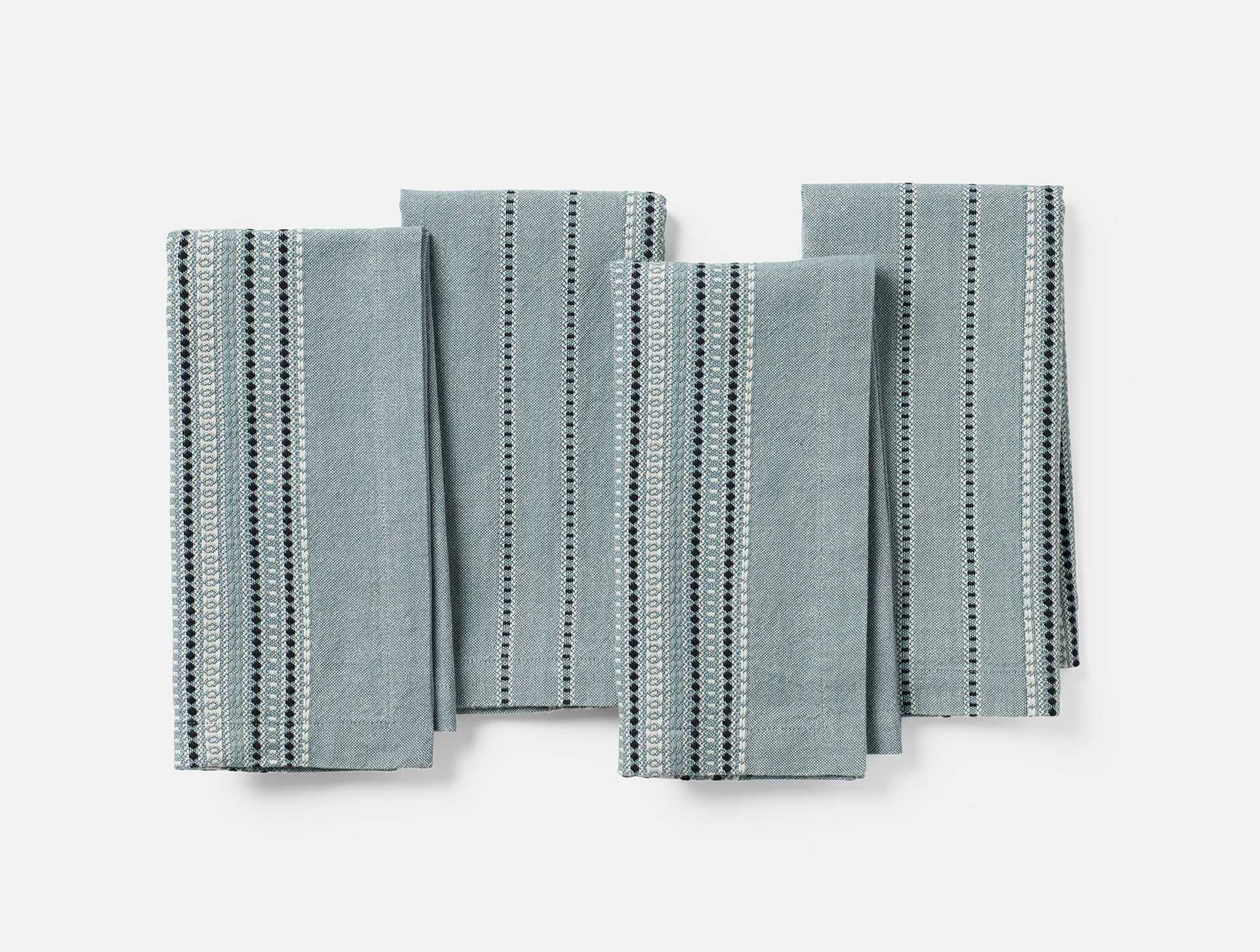
Even in a modest NYC balcony, the tools of the trade can be both functional and beautiful. A carefully chosen set of textiles can elevate the dining and garden experience, reminding us that sustainability extends to every corner of daily life. In this spirit, consider a practical, stylish addition to your gardening table: Lobos Organic Napkins, Set of 4. Crafted from organic cotton chambray with textured dobby stripes, these napkins are not only a nod to ethical textile production but also a tactile reminder of the care that goes into each step of organic living.

Napkins from Coyuchi embody the same ethos of organic sourcing, GOTS certification, and resilient construction that respects both people and planet. They pair well with meals harvested from an urban garden, turning a simple meal into a ceremony of sustainable abundance.

Lobos Organic Napkins, Set of 4

Organic cotton chambray napkins, dobby stripes, GOTS-certified.

$98.00 (incl. tax where applicable)

View Product

Field Guide for NYC Gardeners: Practical Tips

  • Start small, think vertical. Compact containers and vertical supports maximize yield without overwhelming a balcony or fire escape.
  • Soil first, then seeds. Invest in a high-quality organic potting mix and a starter compost to build microbial life from day one.
  • Water wisely. A drip irrigation line saves water and ensures steady moisture for container crops.
  • Learn by doing. Attend a local workshop or volunteer at a community garden to gain hands-on experience.
  • Harvest with gratitude. Freshly picked greens and herbs make meals brighter and more sustainable.

In the spirit of experiential learning, engage with NYC’s local networks. The city’s gardens are a living archive of techniques, plant varieties, and collective wisdom. Whether you’re tending a balcony plot or joining a community bed, every season writes a new page in the urban green narrative.

Conclusion: Cultivating an Organic NYC Ethos

Urban organic gardening in NYC is more than a hobby; it is a practice of stewardship, community, and resilience. By embracing balcony beds, vertical growing, and soil-first methods, city dwellers transform overlooked spaces into sanctuaries of life. The city’s light, wind, and heat become ingredients in a culinary and ecological recipe, one that rewards patience, observation, and collaboration with neighbors and local organizations.

As the popularity of sustainable living continues to rise, organizations like CSAs, community gardens, and urban farming initiatives become essential threads in the urban fabric. The path forward is collective: share seeds, learn together, and contribute to a healthier, more nourished city. Organico.nyc, as a hub for organic living in the heart of New York, invites residents and visitors to participate in this living tapestry—balancing the practical with the poetic, season after season.

© 2026 Organico.nyc — All rights reserved

Related Products

Lobos Organic Napkins, Set of 4

Coyuchi

Lobos Organic Napkins, Set of 4

Soft organic cotton chambray napkins that stay vibrant wash after wash, with a refined dobby stripe texture and a crisp 1" mitred hem for a clean, durable finish at everyday meals. 20" x 20", GOTS certified. Includes 4 napkins.
Certified Organic Crib Mattress Topper

Holy Lamb Organics

Certified Organic Crib Mattress Topper

Soft, breathable warmth that keeps baby comfy all night, with a secure, edge-to-edge fit and easy corner straps. Natural wool wicks moisture, regulates temp, and tufting prevents shifting for consistent comfort. Easy care, natural materials.
Organic Print Percale Sheet Set

Coyuchi

Organic Print Percale Sheet Set

Sleep cooler and crisper with breathable percale. 100% organic cotton, plant-based softener, and low-impact dyes for a fresh, natural look that lasts wash after wash. Relax in luxurious everyday comfort every night.

Theme